SKU: ZZSPMBHSL165BV9YJV0


+12
More


VEVOR Acoustic Foam Panels, 4 Pack 16.5 x 6.3 x 12 inches, Adhesive High Density Soundproof Wall Panels,Acoustic Panel,Sound Dampening Absorbing Panel for Studio Wall and Ceiling,Black
4 2 Reviews
43 99 €
Each when you buy 0+.
Shop
Get -% off for new user
Get 5,00€ Off 99,00€+ Orders on Your First 3 App Orders.
Download Now
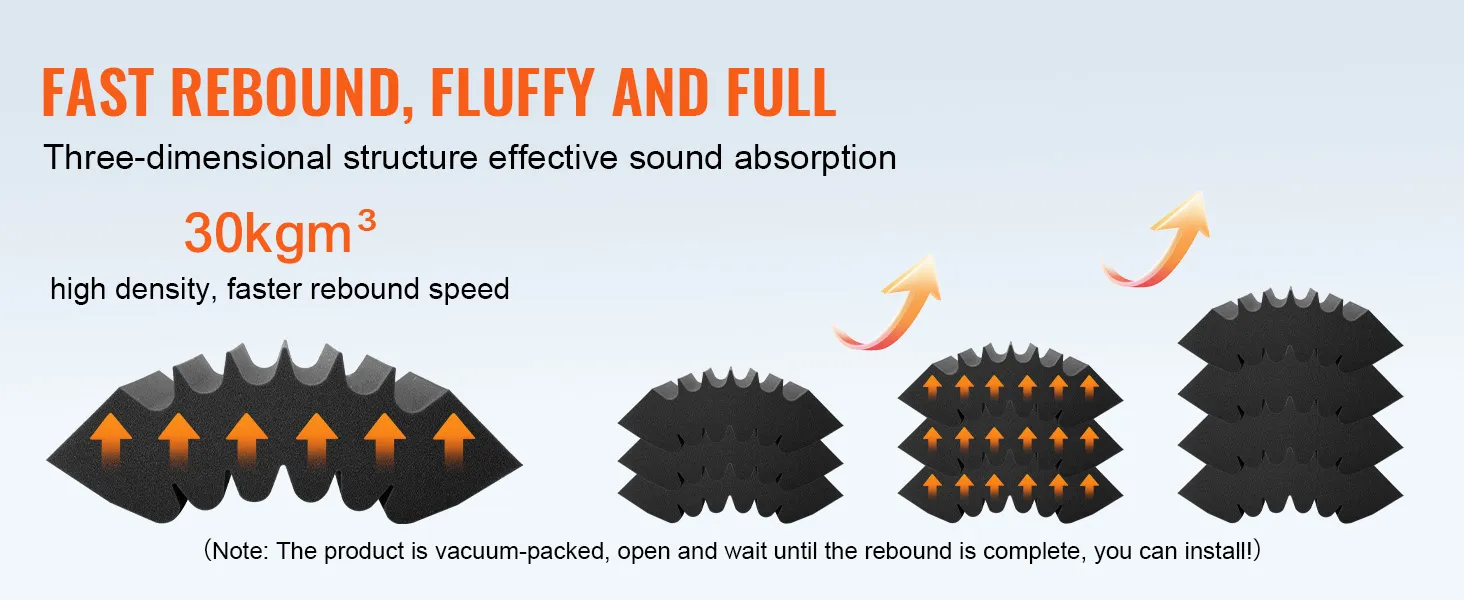
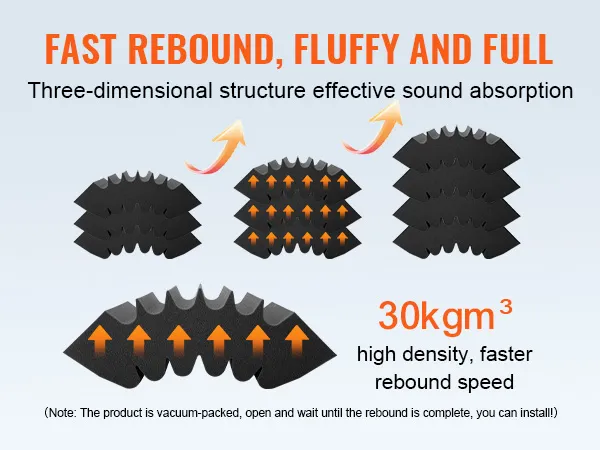
- Efficient Soundproofing: The 30kg/m³ high-density polyurethane foam effectively absorbs high-frequency sound waves, improving the absorption of vibration echoes, reverberation, and noise, which helps reduce noise pollution and enhance sound clarity. NOTE: Vacuum packed. Please let it sit to regain shape. Feel free to contact our customer service if you have any questions. Reaction to fireclassification: E
- Excellent Performance: This material boasts multiple superior qualities, including soundproofing and safety. It quickly rebounds after being opened, maintaining its full shape without collapsing, and remains stable even with long-term use.
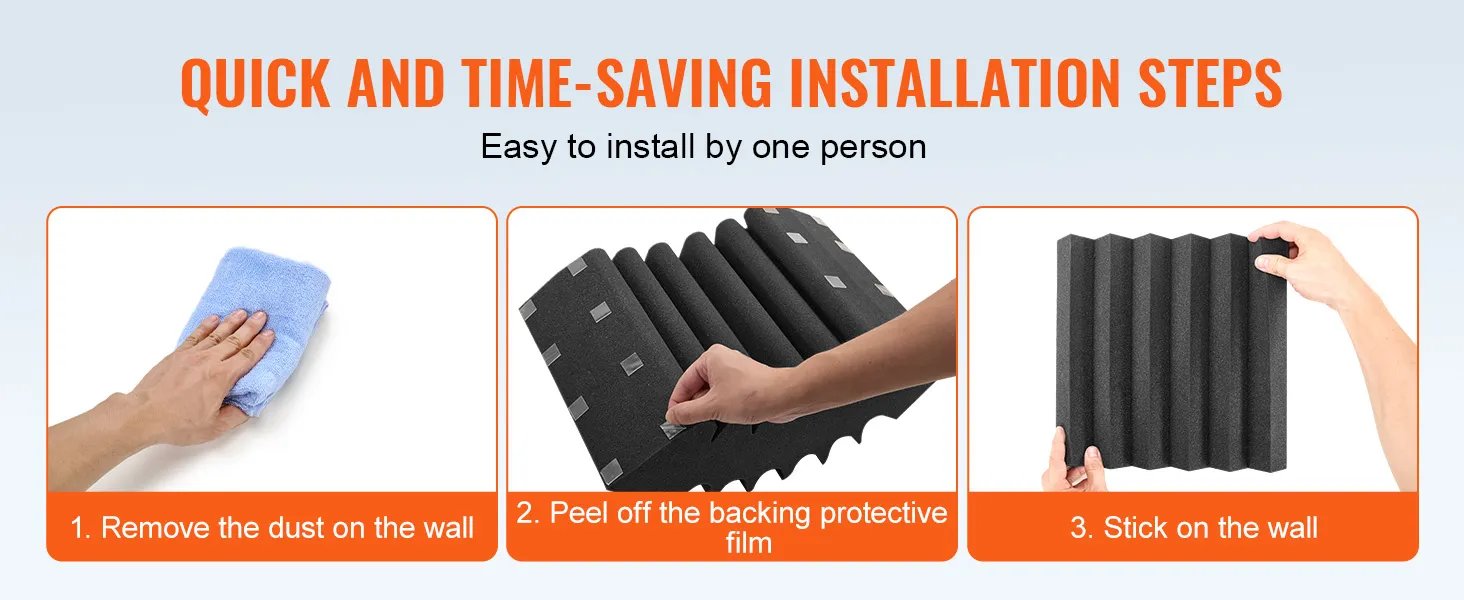
- Built-in Strong Adhesive: It adheres firmly over time, suitable for use on materials like tiles, marble, and metal. The product is lightweight and can be installed in three simple steps, making it practical and easy to use.
- Various Specifications: Includes 4 wedge-shaped foam panels, covering 3 sq.ft. You can purchase the appropriate quantity based on your needs, reducing noise while beautifying your indoor environment.
- Wide Applications: The three-dimensional structure allows sound waves to be reflected and scattered multiple times when they hit the recessed surface, effectively reducing noise. The sound dampening panels can be widely used in recording studios, home theaters, offices, and more.
Frequently Bought Together
Reviews
About this item
Questions and Answers
Explore
Reviews
No customer reviews
Be the first to rate this product. your feedback will helps others make informed decisions.
Top Reviews
About this item
Description
Enhance sound quality and enjoy peace with our acoustic foam!
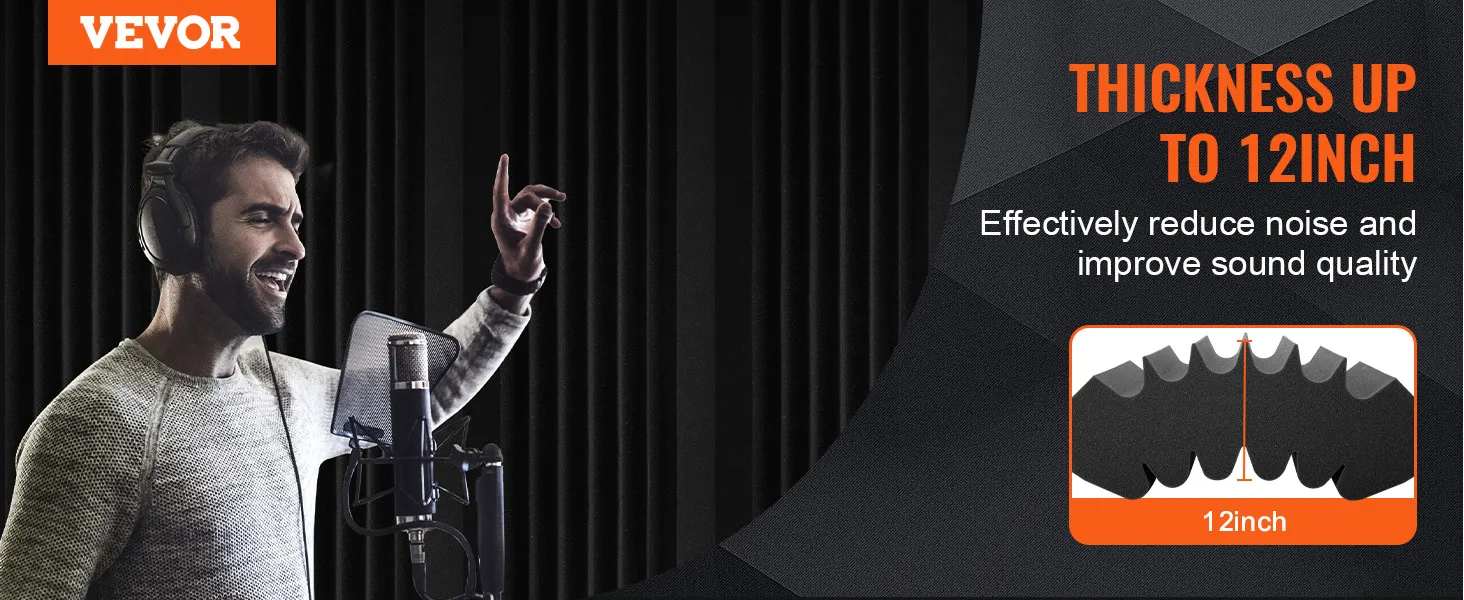
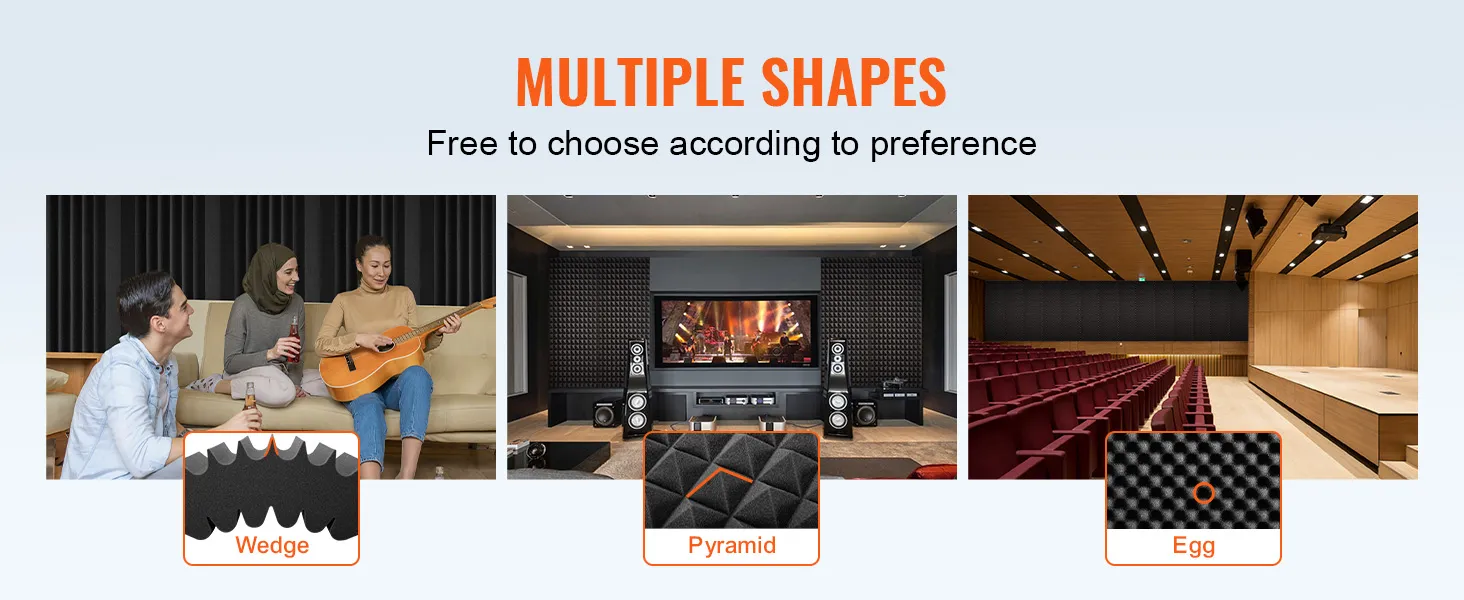
This acoustic polyurethane foam board reduces sound reflections and echoes, improving room acoustics. With high density for effective sound absorption, it comes in wedge, pyramid, and egg shapes and is used in recording studios, home theaters, and various other settings.
This acoustic polyurethane foam board features a thick design that helps reduce noise by filtering out unwanted sounds and echoes through multiple reflections. When used in recording studios, it enhances sound quality, making vocals more pleasant.
Made from high-density polyurethane foam, this material is lightweight yet durable, quickly returning to shape without collapsing. It is also no bad smell, ensuring safe use.
Lightweight and easy to install, this acoustic foam board provides a convenient noise solution for users, ensuring effective sound absorption without the hassle of complex installation processes.
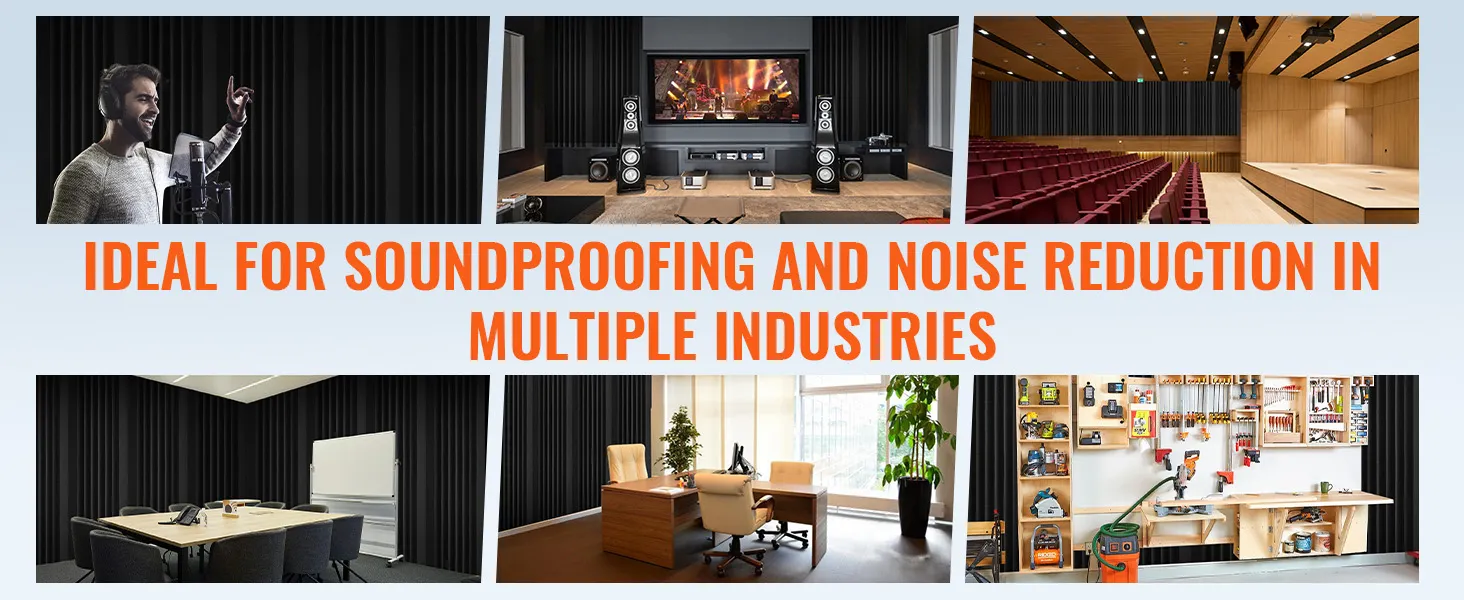
Available in unique wedge, pyramid, and egg shapes, you can choose according to your space. The textured surface increases the foam's area, effectively absorbing sound waves for better soundproofing.
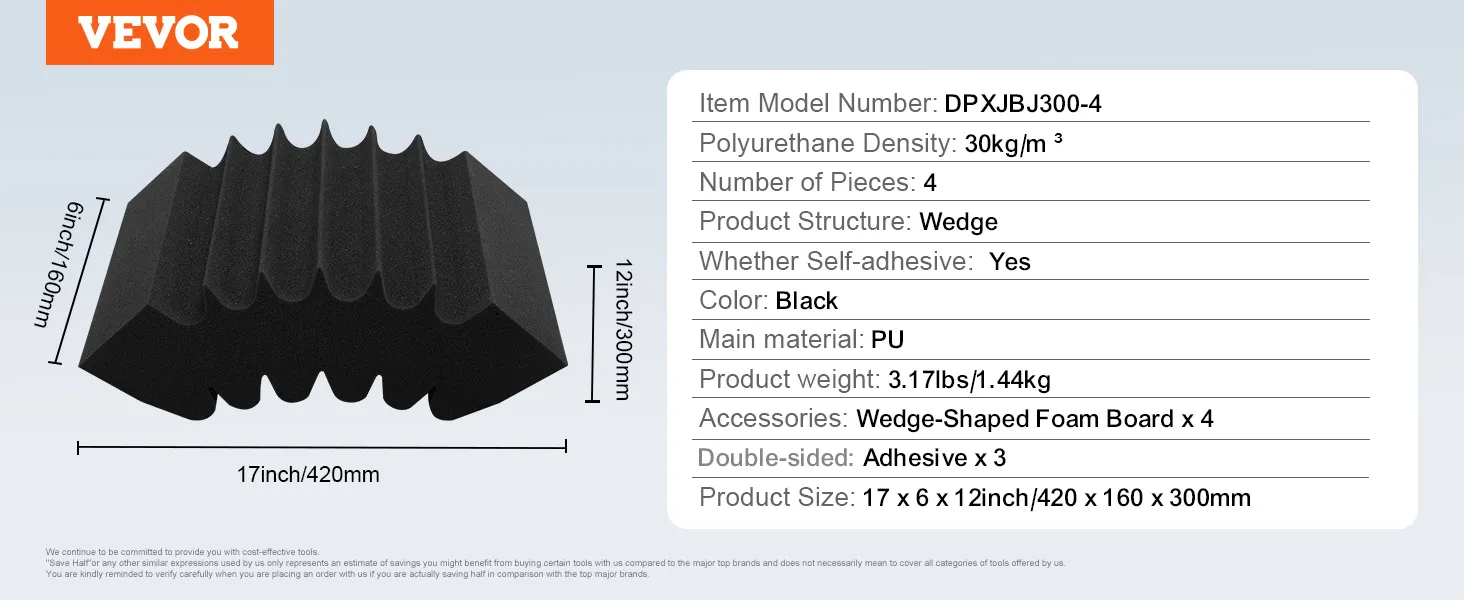
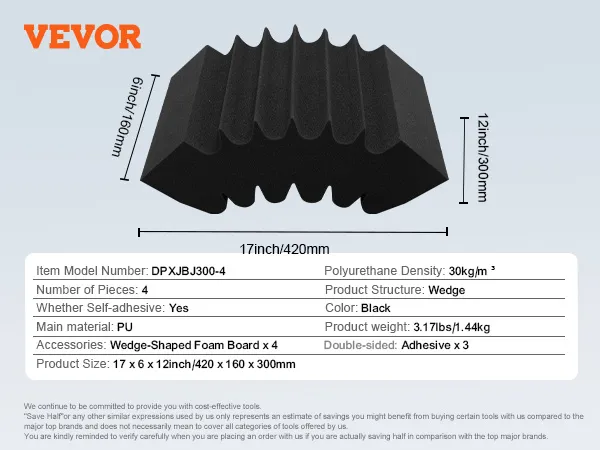
Product guides and documents
In Stock